Understanding Wärmepumpe im Altbau
As the need for sustainable heating solutions grows, many homeowners in older buildings are considering the potential of a wärmepumpe im altbau. This eco-friendly technology can significantly reduce heating costs and improve energy efficiency. However, the integration of a heat pump in a classic structure can raise questions about feasibility, efficiency, and overall benefits. In this comprehensive guide, we explore the nuances of incorporating a Wärmepumpe in older buildings, addressing common concerns and offering actionable insights.
What is a Wärmepumpe?
A Wärmepumpe, or heat pump, is a heating and cooling system that transfers heat from one location to another using a refrigeration cycle. Unlike traditional heating methods that generate heat through combustion or resistance, heat pumps move heat to and from the environment. This process allows them to provide efficient heating in winter and cooling in summer, making them a versatile solution for year-round climate control.
How Does It Work in Older Buildings?
Integrating a Wärmepumpe into an altbau (older building) involves considering various factors, including existing insulation, heating requirements, and the type of heat pump. The most common types include air-source, ground-source, and water-source heat pumps. In older structures, air-source heat pumps are often used due to their lower installation costs and the flexibility they offer. However, older buildings may pose unique challenges regarding thermal efficiency.
Benefits of Using a Wärmepumpe in Altbau
- Energy Efficiency: Wärmepumpen are known for their high efficiency, often achieving a coefficient of performance (COP) greater than 3. This means they can produce three times more energy than they consume.
- Cost Savings: Although the upfront costs can be significant, the long-term savings on energy bills, combined with potential government incentives, can make them a financially sound investment.
- Environmental Impact: By utilizing renewable energy sources, heat pumps significantly reduce the carbon footprint of heating a home, contributing to a more sustainable future.
Common Missteps When Installing a Wärmepumpe
Ignoring Energy Efficiency Requirements
A critical factor when adding a Wärmepumpe in an altbau is ensuring that the heating system meets energy efficiency standards. Ignoring these requirements can lead to insufficient heating during colder months and increased energy consumption.
Overlooking Building Insulation Needs
One common mistake is overlooking the importance of proper insulation. Older buildings often have inadequate insulation, which can lead to significant heat loss. To maximize the efficiency of a Wärmepumpe, it is essential to improve the building’s insulation, ensuring that warmth stays inside and reducing the overall energy demand.
Improper Sizing and System Selection
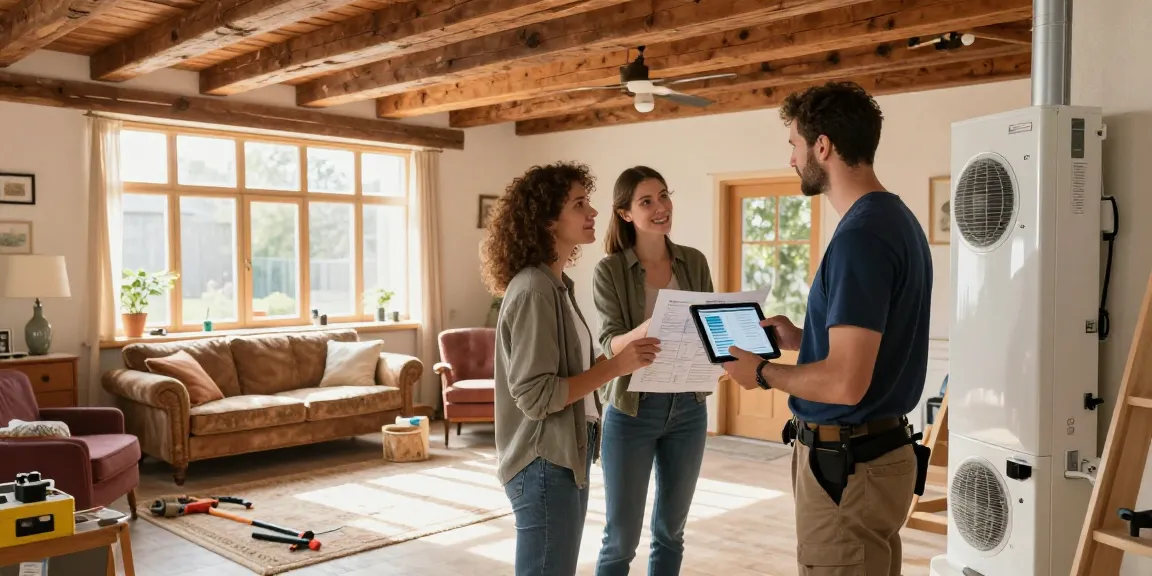
Choosing the right size and type of Wärmepumpe is vital. An undersized system will struggle to maintain comfortable temperatures, while an oversized unit can lead to energy waste and increased wear on the system. Conducting a thorough heating load calculation with a professional is crucial for optimal system performance.
Maximizing Efficiency: Best Practices
Integrating with Existing Heating Systems
When retrofitting an altbau with a Wärmepumpe, consider how it will integrate with existing heating solutions, such as radiators or traditional boilers. The efficiency of a Wärmepumpe is enhanced when used in conjunction with low-temperature heating systems, such as underfloor heating or larger radiators that can operate effectively at lower water temperatures.
Using Smart Technology for Monitoring
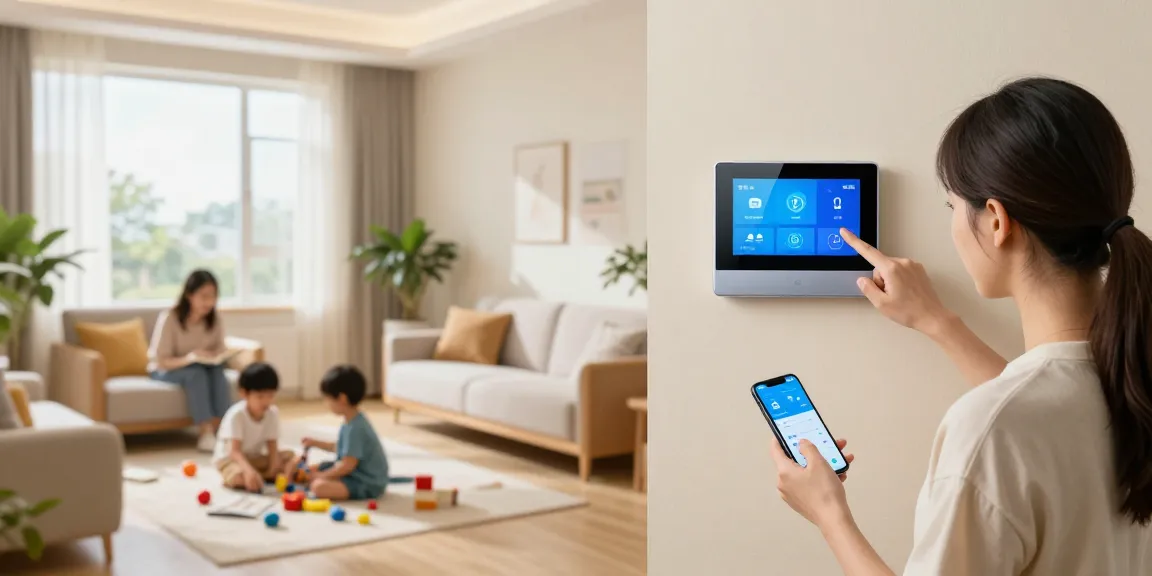
The modern approach to heating management involves utilizing smart technology. Integrating smart thermostats and monitoring systems allows homeowners to optimize heating schedules and improve energy use, leading to further savings and efficient system operation.
Regular Maintenance and Upkeep Tips
To maintain optimal performance, regular maintenance of a Wärmepumpe is essential. This includes checking refrigerant levels, cleaning filters, and ensuring that the outdoor unit is free from obstructions. Regular maintenance not only extends the lifespan of the system but also keeps it operating at peak efficiency.
Financial Implications of Installing a Wärmepumpe
Upfront Costs vs. Long-term Savings
While the initial investment for a Wärmepumpe can be high, it is important to weigh these costs against potential long-term savings. Many homeowners find that the reduction in energy bills and government subsidies can offset the installation costs within a few years.
Available Grants and Subsidies
Various government programs and incentives exist to promote the adoption of renewable heating solutions. Homeowners should research available grants and subsidies in their region, which can significantly reduce the financial burden of installing a Wärmepumpe.
Calculating Return on Investment
Calculating the return on investment (ROI) for a Wärmepumpe involves considering several variables, including initial costs, energy savings, maintenance expenses, and potential resale value. A well-planned investment can lead to substantial financial benefits over time.
Future Trends in Heating for Altbau
Innovations in Wärmepumpe Technology
The Wärmepumpe industry is rapidly evolving, with new technologies focusing on improving efficiency and reducing emissions. Innovations such as variable-speed compressors and advanced refrigerants are set to enhance the performance and sustainability of heat pumps in older buildings.
Shifts in Government Regulations and Incentives
As the shift towards renewable energy accelerates, government regulations are expected to become more favorable towards heat pump installations. Increased incentives and mandates for energy-efficient heating will drive more homeowners to consider a Wärmepumpe as a viable option for their heating needs.
What to Expect in the Next 5 Years
Over the next five years, the market for Wärmepumpen in altbau is anticipated to expand significantly. With technological advancements and growing environmental awareness, homeowners will increasingly recognize the value of incorporating sustainable heating solutions into their properties.
What are the main benefits of a Wärmepumpe im Altbau?
The primary benefits of installing a Wärmepumpe in an altbau include enhanced energy efficiency, reduced heating costs, a smaller carbon footprint, and improved comfort levels in the home. These benefits make it a compelling option for homeowners looking to modernize their heating systems.
Can a Wärmepumpe effectively heat an older building?
Yes, a Wärmepumpe can effectively heat older buildings, provided that the system is correctly sized and integrated with appropriate insulation improvements. The efficiency of modern heat pumps allows them to operate effectively even in lower temperature conditions.
What are the challenges when installing a Wärmepumpe in Altbau?
Challenges may include inadequate insulation, the need for system compatibility with existing heating elements, and the costs associated with retrofitting. Homeowners must be prepared to address these challenges to achieve optimal results.
Is insulation required for effective Wärmepumpe performance?
Yes, proper insulation is crucial for maximizing the performance of a Wärmepumpe. Without adequate insulation, heat loss can negate the efficiency gains provided by the system, leading to higher energy costs and discomfort.
How do I choose the right Wärmepumpe for my home?
Choosing the right Wärmepumpe involves assessing your heating needs, evaluating your home’s insulation status, and consulting with professionals to determine the best type and size of heat pump for your specific situation. Conducting a thorough analysis will ensure optimal performance and satisfaction.