Understanding Smart Thermostats
Smart thermostats have revolutionized the way we control our home’s heating and cooling systems. Designed to optimize energy usage while enhancing comfort, these devices utilize advanced technology to learn user preferences and adapt to daily schedules. As more homeowners seek to improve efficiency and reduce energy bills, the integration of a smart thermostat has become increasingly popular. Let’s dive deeper into what a smart thermostat is, how it works, and the benefits it offers.
What is a Smart Thermostat?
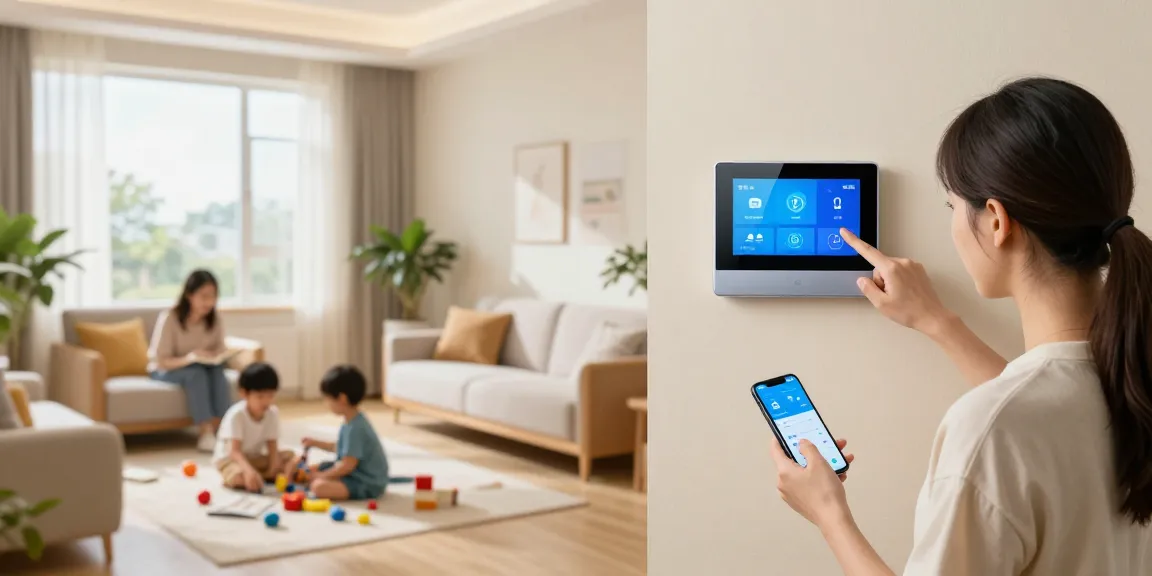
A smart thermostat is a Wi-Fi-enabled device that allows remote control of your home’s heating and cooling systems via smartphone apps or voice assistants. Unlike traditional thermostats, which require manual input, smart thermostats learn from your habits over time, improving energy efficiency and saving you money.
How Smart Thermostats Work
These devices track your heating and cooling patterns, adjusting the temperature according to your preferences and occupancy. They often come equipped with sensors that detect whether anyone is home, automatically switching to energy-saving modes when the house is vacant. Some models even provide insights into your energy consumption, allowing you to identify ways to reduce usage further.
Benefits of Smart Thermostats for Homeowners
- Energy Savings: By optimizing heating and cooling patterns, smart thermostats can reduce your energy bill by up to 30%.
- Remote Access: Control your home’s temperature from anywhere, ensuring comfort when you arrive home.
- Integration: Many smart thermostats seamlessly integrate with other smart home devices, enhancing overall system efficiency.
- Data Insights: Receive detailed reports on your energy usage, helping you make informed decisions.
Choosing the Right Smart Thermostat
When it comes to selecting the best smart thermostat for your home, there are various factors to consider. With a plethora of options available in 2026, understanding your needs can significantly guide your purchasing decision.
Factors to Consider Before Buying
- Compatibility: Ensure the thermostat is compatible with your existing HVAC system, whether it’s a gas furnace, electric heat pump, or central air conditioning.
- Features: Look for features that enhance usability, such as voice control, touchscreen displays, or geofencing capabilities.
- Price: Balance your budget with the features offered; invest in models that provide long-term savings.
- Brand Reputation: Research reviews and ratings of various brands to ensure reliability.
Top Smart Thermostat Brands of 2026
Some of the most reputable brands to consider include:
- Ecobee: Known for their advanced features like air quality monitoring and compatibility with multiple smart home systems.
- Google Nest: Offers intuitive learning capabilities and a sleek design that integrates well with any home.
- Honeywell Home: Features robust functionalities and a variety of models tailored for different needs.
Compatibility with HVAC Systems
Before purchasing a smart thermostat, verify its compatibility with your HVAC system. Most models cater to standard systems, but specialized setups may require specific units. Manufacturers typically have online tools where you can input your system type for confirmation.
Installation and Setup Guide
Installing a smart thermostat can be a straightforward process, but some homeowners may choose to hire a professional. Understanding both options can help you decide which is best for your specific situation.
DIY Installation Tips
If you decide to install it yourself, follow these steps:
- Turn off power to your HVAC system.
- Remove the old thermostat and label the wires to ensure proper reinstallation.
- Mount the new thermostat according to the manufacturer’s instructions.
- Connect the wires to the appropriate terminals and secure everything in place.
- Restore power and configure the device using its mobile app.
Professional Installation Services
If you’re uncomfortable with DIY installation or have a complex system, hiring a professional is advisable. Ensure to choose a service provider with substantial experience in smart thermostat installations.
Configuration for Optimal Performance
After installation, configure your thermostat to optimize performance. This may involve setting up schedules, adjusting temperature ranges, and connecting to Wi-Fi networks. Most smart thermostats come with an easy-to-use app that guides you through the setup process.
Maximizing Energy Efficiency with Smart Thermostats
Once your smart thermostat is installed, it’s crucial to utilize its features effectively to achieve the maximum energy savings.
Programming Schedules and Preferences
Take advantage of scheduling features to set different temperatures for different times of the day. For example, lower the temperature at night during winter or raise it during peak summer hours when usage is generally lower.
Utilizing Energy Reports and Alerts
Monitor your energy consumption through the reports generated by your smart thermostat. Some models send alerts when energy usage is above normal, helping you identify and rectify inefficient practices.
Common Mistakes to Avoid
- Neglecting to update your thermostat settings with changes in your routine.
- Using schedule features inefficiently, leading to waste.
- Overlooking integration features with other smart devices.
Future of Smart Thermostats in Home Automation
The future of smart thermostats looks promising, with innovative technologies set to enhance their capabilities and integration into home automation ecosystems.
Emerging Technologies and Trends for 2026
In 2026, we can expect smart thermostats to incorporate even more advanced machine learning algorithms that provide enhanced energy savings and customized user experiences. Features like predictive analytics will soon be standard, allowing devices to anticipate user needs.
Integration with Other Smart Devices
Smart thermostats will increasingly connect and collaborate with other home automation devices, such as smart lights, security systems, and energy management tools, creating a seamlessly integrated smart home.
Predictions for Energy Savings
As technology evolves, it is anticipated that smart thermostats will play a crucial role in promoting energy efficiency. Studies suggest that households adopting these devices could see further reductions in energy consumption, contributing to both environmental sustainability and cost savings.
FAQ: What are the main advantages of a smart thermostat?
The key advantages include enhanced energy efficiency, remote access, user-friendly interfaces, and detailed energy tracking, allowing for informed decision-making.
FAQ: How can I control my smart thermostat remotely?
Smart thermostats connect to your Wi-Fi network, enabling remote control through a dedicated mobile app or compatible smart home devices.
FAQ: Can smart thermostats help me save on energy bills?
Yes, smart thermostats are designed to optimize energy use and can lead to considerable savings on utility bills.
FAQ: Are smart thermostats easy to install?
Most smart thermostats come with user-friendly installation guides, making them relatively easy to install for those with basic DIY skills.
FAQ: Which smart thermostat is best for my home?
The best smart thermostat for your home will depend on your specific HVAC setup, features you desire, and integration with other smart devices. Brands like Ecobee, Nest, and Honeywell are popular options to consider for various needs.